
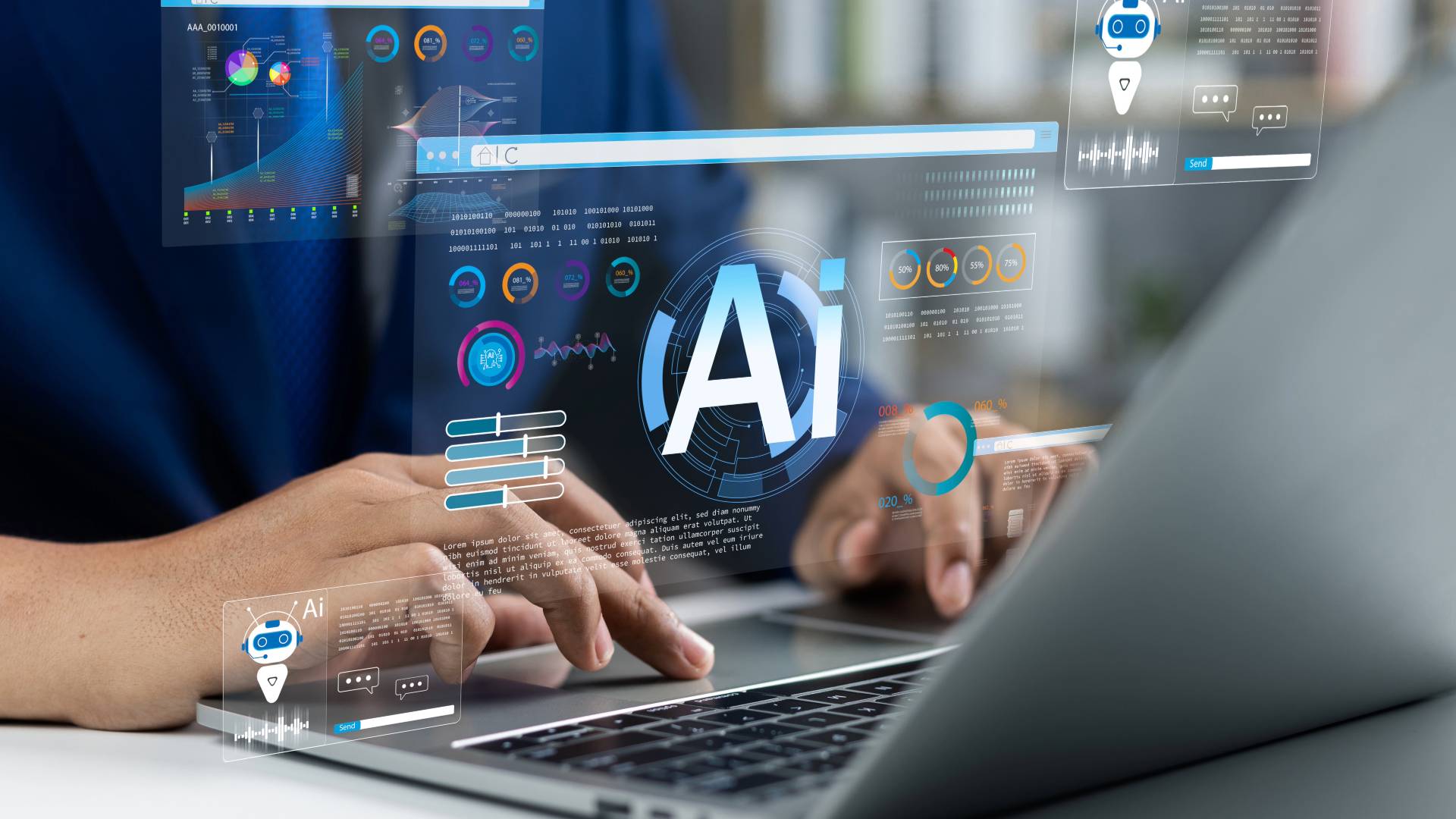
Explore how AI Analytics Software transforms complex business data into actionable insights, improves operational efficiency, supports predictive analysis, and strengthens business decision-making through intelligent reporting and integrated analytics solutions.

In today's rapidly evolving digital business environment, organisations generate enormous amounts of information through customer interactions, sales activities, financial transactions, marketing campaigns, and daily operations. However, managing large volumes of data without effective analytical tools can make decision-making complicated. This is where AI Analytics Software becomes essential for modern businesses.
AI Analytics Software helps organisations analyse complex datasets, identify meaningful patterns, automate reporting, and generate actionable insights. By combining artificial intelligence, machine learning, and business intelligence technologies, businesses can improve operational efficiency, monitor performance, and make informed strategic decisions.
Whether managing customer relationships, tracking sales performance, or evaluating business operations, AI-powered analytics provides valuable information that supports sustainable growth and improved organisational performance.
What Is AI Analytics Software?
AI Analytics Software is an advanced technology solution that uses artificial intelligence and data analysis techniques to process, interpret, and evaluate business information. Unlike traditional reporting systems that primarily display historical data, AI-powered analytics can identify patterns, detect anomalies, and support predictive analysis.
These solutions help organisations understand business performance by converting raw information into meaningful insights presented through interactive dashboards, automated reports, and analytical visualisations.
AI Analytics Software commonly incorporates several technologies, including:
- Machine Learning: Identifies patterns and relationships within historical datasets.
- Predictive Analytics: Estimates potential future outcomes using statistical models.
- Data Visualisation: Presents complex information through charts, dashboards, and reports.
- Automated Reporting: Reduces manual effort when preparing business performance summaries.
- Anomaly Detection: Identifies unusual patterns, operational exceptions, and potential inconsistencies.
- Business Intelligence Integration: Connects operational information with strategic performance indicators.
Together, these capabilities help businesses move towards more accurate, consistent, and data-driven decision-making.
Why AI Analytics Software Is Important for Modern Businesses
Businesses increasingly depend on accurate information to remain competitive. Traditional data management methods often involve disconnected spreadsheets, manual calculations, and multiple reporting platforms. These approaches can delay important decisions and increase the possibility of errors.
AI Analytics Software addresses these challenges by improving the way organisations collect, process, and interpret business information.
Improved Decision-Making
AI-powered analytics allows managers to evaluate business performance using relevant operational data. Instead of depending entirely on assumptions, organisations can identify measurable trends and make decisions supported by evidence.
Increased Operational Efficiency
Automating repetitive reporting activities allows employees to concentrate on strategic responsibilities. Analytics platforms can also highlight workflow delays and areas requiring operational improvement.
Better Business Visibility
Centralised analytical dashboards provide clearer visibility into departmental performance, customer activities, financial operations, and organisational objectives.
Faster Identification of Business Opportunities
By analysing customer behaviour, market trends, and historical performance, AI Analytics Software can help businesses discover opportunities for improving services, strengthening customer engagement, and optimising resources.
Key Features of Advanced AI Analytics Software
An effective AI-powered analytics platform should provide capabilities that support different business functions while maintaining data accuracy and accessibility.
Interactive Business Dashboards
Interactive dashboards allow organisations to monitor important key performance indicators through visual reports. These dashboards may include sales conversion rates, customer engagement trends, operational productivity, revenue performance, and departmental activities.
Predictive Business Analytics
Predictive analytics uses historical datasets and analytical models to estimate possible future outcomes. Organisations can apply predictive techniques to understand demand patterns, anticipate operational requirements, and improve resource planning. Predictions remain estimates and should be evaluated alongside business expertise.
Automated Data Processing
Businesses often collect information from different applications and departments. AI Analytics Software can help organise these datasets, identify inconsistencies, and simplify analytical workflows.
Customer Behaviour Analysis
Understanding customer preferences is essential for improving service delivery and marketing effectiveness. Advanced analytics helps organisations examine customer interactions, purchasing patterns, engagement levels, and sales journeys.
Business Performance Monitoring
Performance monitoring tools help organisations evaluate progress against established business objectives. Management teams can identify operational gaps, monitor productivity, and evaluate the effectiveness of business strategies.
Intelligent Alerts and Notifications
Analytics platforms can generate notifications when predefined performance thresholds are exceeded or unusual patterns are identified. This supports faster responses to operational issues and reduces dependence on manual monitoring.
Benefits of Implementing AI Analytics Software
Integrating AI Analytics Software into business operations can deliver advantages across different departments. Important benefits include:
- Data-driven strategies: Support business planning through reliable analytical insights.
- Reduced manual reporting: Automate repetitive data preparation and reporting activities.
- Improved productivity: Help employees focus on responsibilities that require human expertise.
- Enhanced customer understanding: Analyse customer preferences and engagement trends.
- Better resource allocation: Identify operational priorities and potential inefficiencies.
- Consistent performance tracking: Monitor key business indicators across departments.
- Improved collaboration: Give authorised teams access to consistent analytical information.
- Greater business scalability: Support reporting requirements as operational activities expand.
However, achieving these benefits depends on data quality, appropriate system configuration, employee adoption, and effective governance.
How AI Analytics Software Supports Different Industries
AI Analytics Software can support organisations across multiple industries by providing analytical capabilities suited to their operational requirements.
Real Estate Businesses
Real estate companies can use analytics to monitor lead generation, agent performance, property enquiries, sales pipelines, and marketing campaign effectiveness. By reviewing conversion patterns and customer interactions, management teams can improve lead follow-up processes and evaluate sales strategies.
Marketing and Advertising Agencies
Marketing teams can analyse campaign engagement, lead quality, conversion performance, and customer acquisition trends. AI-powered insights can support campaign optimisation and help marketing professionals identify which activities contribute to business objectives.
Financial and Accounting Departments
Financial teams can use analytical dashboards to monitor transactions, collections, financial performance, and reporting exceptions. Consistent data analysis strengthens financial visibility and supports more structured planning.
Healthcare Organisations
Healthcare administrators can analyse appointment activity, resource utilisation, operational workloads, and administrative performance. Appropriate data protection, access controls, and professional oversight remain essential when handling sensitive healthcare information.
Enterprise and Service Businesses
Organisations managing multiple departments can benefit from connected reporting across customer management, workforce administration, project delivery, and financial activities. This improves communication and helps management evaluate overall organisational performance.
How AI Analytics Software Works with CRM and ERP Systems
Integrating AI Analytics Software with Customer Relationship Management (CRM) and Enterprise Resource Planning (ERP) platforms creates opportunities for more comprehensive business analysis. CRM systems contain information about customer interactions, sales opportunities, lead management, and communication activities. ERP systems manage operational information related to finance, employees, purchasing, projects, and organisational workflows.
When these systems are connected to an analytics platform, organisations can:
- Analyse sales performance using customer and operational information.
- Monitor departmental productivity through consistent reporting.
- Evaluate customer conversion rates and follow-up activities.
- Identify delays affecting business processes.
- Review financial and operational performance together.
- Improve cross-departmental coordination through shared business insights.
Connected analytical environments reduce information silos and make it easier for management teams to understand how different business functions influence overall performance.
Choosing the Right AI Analytics Software for Your Business
Selecting suitable AI Analytics Software requires an understanding of business objectives, existing infrastructure, reporting requirements, and operational challenges. Organisations should evaluate several important factors before implementation.
Data Integration Capabilities
The software should support connections with relevant business applications and approved data sources.
Reporting Flexibility
Dashboards and reports should accommodate the organisation's performance indicators and management requirements.
Ease of Use
Employees should be able to understand analytical information without requiring extensive technical knowledge.
Security and Access Controls
Sensitive business information should be protected through appropriate permissions and data management procedures.
Scalability
The platform should accommodate expanding datasets, additional departments, and changing reporting requirements.
Implementation Support
Clear configuration, testing, user training, and ongoing improvements are essential for successful adoption.
Choosing a platform that aligns with existing business processes helps organisations achieve more meaningful analytical outcomes.
The Future of AI Analytics Software
Artificial intelligence continues to influence the development of business analytics technologies. Modern analytical platforms are increasingly focused on helping organisations move beyond static reporting towards intelligent, proactive decision support. Emerging capabilities include conversational analytics, automated pattern recognition, natural language queries, predictive modelling, and AI-assisted business recommendations. These developments may allow managers to explore information using everyday language, investigate performance changes, and identify relevant operational priorities more efficiently.
Nevertheless, successful AI analytics adoption requires responsible data practices, transparent reporting, reliable information, and human supervision of important decisions. Businesses that establish strong data management processes will be better positioned to benefit from these technological advancements.
Frequently Asked Questions About AI Analytics Software
1. What is AI Analytics Software used for?
AI Analytics Software is used to analyse business data, identify patterns, automate reporting, monitor performance, and support informed decision-making. It helps organisations transform complex information into actionable business insights.
2. How does AI Analytics Software improve business performance?
It improves business performance by providing clearer operational visibility, reducing repetitive reporting tasks, identifying inefficiencies, and helping management teams evaluate trends and opportunities.
3. Can AI Analytics Software integrate with CRM and ERP platforms?
Yes. Many analytics solutions support integration with CRM, ERP, and other business management applications. Integration capabilities depend on available interfaces, data formats, system compatibility, and configuration requirements.
4. Is AI Analytics Software suitable for small and medium-sized businesses?
Yes. Small and medium-sized businesses can use AI-powered analytics to understand customer activities, monitor operational performance, and establish more structured reporting processes. The implementation should reflect the organisation's specific requirements.
5. What is the difference between AI Analytics Software and traditional business intelligence?
Traditional business intelligence primarily focuses on organising, visualising, and reporting business information. AI Analytics Software extends these capabilities through techniques such as machine learning, pattern recognition, anomaly detection, and predictive analysis.
Conclusion
AI Analytics Software plays an increasingly important role in helping organisations understand complex business information, improve operational visibility, and make smarter decisions. Through automated reporting, intelligent analysis, and connected business data, organisations can develop more efficient and informed management processes.
X-OPP provides a connected business software ecosystem that brings together CRM, ERP, financial management, operational workflows, and business intelligence. Its X-OPP BI solution supports management dashboards, KPI monitoring, exception reporting, and structured follow-up, while AI-assisted capabilities across the ecosystem support practical business workflows. Specific integrations and functionality depend on implementation requirements.
By combining connected business information with structured analytical processes, X-OPP helps organisations strengthen operational coordination, improve reporting consistency, and support long-term business growth.
Turn lead response into a system.
Automatically route new leads, prioritize follow-ups and keep your sales team accountable without adding another layer of manual work.