
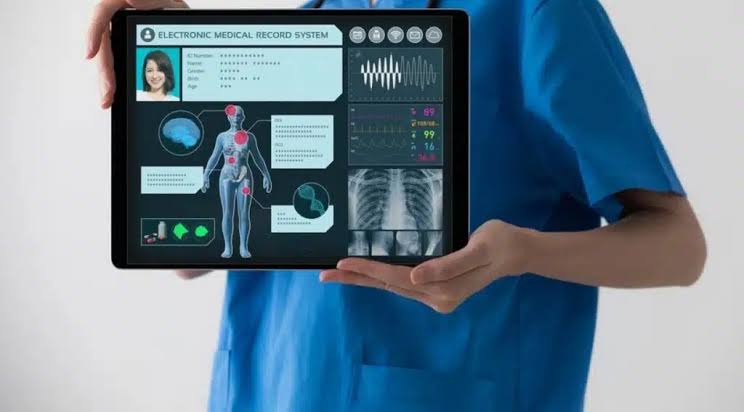
Explore how Electronic Health Record Software UAE helps hospitals and clinics streamline patient data management, improve clinical efficiency, enhance care coordination, and support secure digital healthcare operations.

The healthcare industry in the United Arab Emirates is undergoing significant digital transformation. Hospitals, clinics, and medical centres across the Emirates are adopting advanced technologies to improve patient care and operational efficiency. Electronic Health Record Software UAE plays a central role in this shift by enabling healthcare professionals to manage patient information securely, streamline clinical workflows, and improve coordination across services.
Electronic Health Record (EHR) software provides a digital approach to maintaining medical histories, treatment plans, prescriptions, laboratory results, and clinical documentation. By replacing fragmented paper-based processes with structured electronic records, healthcare organisations can improve information accessibility, reduce administrative workloads, and support better clinical decision-making. For healthcare providers operating in Dubai, Abu Dhabi, Sharjah, and other emirates, selecting appropriate EHR technology has become an essential part of building efficient, patient-focused healthcare operations.
What Is Electronic Health Record Software?
Electronic Health Record software is a digital system designed to collect, organise, store, and manage patient medical information securely. It enables authorised healthcare professionals to access relevant clinical records during consultations, treatment planning, and follow-up appointments. Unlike traditional paper records, EHR systems support structured documentation and controlled information sharing between authorised healthcare providers.
Typical electronic health records include patient demographics and contact information, medical histories and previous diagnoses, prescription details and medication records, laboratory results and diagnostic reports, allergies, vaccinations and treatment plans, clinical notes and consultation summaries, as well as specialist referrals and follow-up information. A properly implemented EHR system helps healthcare organisations maintain accurate, accessible, and consistent patient information while supporting continuity of care.
Why Electronic Health Record Software UAE Is Important
Healthcare providers across the UAE operate in a highly regulated environment where patient confidentiality, documentation accuracy, and coordinated medical services are essential. Implementing Electronic Health Record Software UAE can help organisations improve the management of clinical information while supporting the country’s wider digital healthcare initiatives.
Improved Patient Information Management
Electronic records allow authorised doctors and healthcare professionals to retrieve relevant patient information without relying on physical documentation. This supports faster consultations and more informed treatment decisions by giving clinicians timely access to complete medical histories when needed.
Better Coordination Between Departments
Hospitals and medical centres often involve multiple departments in patient care. EHR systems can facilitate information exchange between physicians, nurses, laboratories, pharmacies, and administrative teams. When information flows more smoothly, the risk of gaps in communication is reduced and care becomes more coordinated.
Reduced Administrative Workload
Digital documentation reduces repetitive paperwork, improves record organisation, and helps medical professionals devote more attention to patient care. Structured electronic processes also make it easier to locate and update records when required.
Support for Healthcare Digitalisation
The UAE continues to develop connected healthcare information systems that improve medical data accessibility and continuity of care across healthcare organisations. EHR platforms form a foundational element of this broader digital health ecosystem.
Key Features of Electronic Health Record Software in UAE
Selecting an EHR platform requires evaluating clinical functionality, usability, interoperability, security, and scalability. Healthcare organisations should carefully assess how well a system aligns with their specific operational and regulatory needs.
1. Electronic Patient Records
A centralised electronic record enables healthcare professionals to maintain organised patient profiles, including medical histories, diagnoses, treatment information, and consultation documentation. This structure supports consistency and reduces the chance of incomplete or duplicated records.
2. Appointment and Scheduling Integration
When connected with appointment management software, EHR systems can support patient registration and appointment scheduling, doctor availability management, follow-up appointment coordination, patient visit history, and automated appointment notifications. Integration between clinical and scheduling functions helps create a more seamless patient journey.
3. Electronic Prescription Management
Electronic prescribing capabilities allow clinicians to document medication instructions and support coordination with pharmacy workflows, subject to applicable regulatory requirements. Clear digital records of prescriptions contribute to safer medication management.
4. Laboratory and Diagnostic Integration
Integration with laboratory information systems can improve access to test results and diagnostic reports. This helps clinicians review findings more quickly and make timely treatment decisions based on the most current available information.
5. Clinical Reporting and Analytics
Healthcare organisations can use structured clinical information to evaluate service delivery, monitor operational indicators, and identify opportunities for improvement. Reporting tools provide visibility into both clinical and administrative performance.
6. Data Security and Access Control
Healthcare software should incorporate safeguards such as role-based permissions, authentication, audit trails, secure data transmission, and appropriate backup procedures. Strong security controls are essential for protecting sensitive patient information and meeting regulatory expectations.
Benefits of EHR Software for Hospitals and Clinics
Modern electronic health record solutions can provide operational and clinical advantages when implemented with appropriate training and governance. Important benefits include improved documentation through consistent and structured medical records, faster information retrieval for authorised patient data, enhanced care coordination across clinical departments, reduced duplication of administrative activities, greater operational visibility through reporting and workflow monitoring, better patient experience via organised appointments, consultations and follow-up care, and scalable infrastructure that can accommodate expanding facilities and healthcare teams.
These benefits make EHR technology relevant to individual clinics, specialist medical centres, hospitals, and multi-location healthcare organisations. The value realised depends on careful selection, proper configuration, staff training, and ongoing governance of data quality and processes.
Electronic Health Records and UAE Healthcare Regulations
Healthcare organisations must consider regulatory compliance when selecting or implementing electronic health record systems. Federal Law No. 2 of 2019 concerning the use of information and communication technology in health fields establishes important requirements relating to healthcare information security, confidentiality, and data integrity. The law aims to ensure optimal use of ICT in the health sector, compatibility with recognised standards, and the safety and security of health data.
Healthcare providers should also evaluate their relevant health information exchange obligations and ensure any chosen system supports the necessary controls for confidentiality, data integrity, and authorised access.
UAE Healthcare Information Exchange Platforms
Several platforms support health information exchange across the Emirates:
- NABIDH: Dubai Health Authority’s health information exchange platform, supporting secure medical information exchange across connected healthcare facilities in Dubai.
- Malaffi: Abu Dhabi’s health information exchange platform, supporting integrated patient information and care coordination within the emirate.
- Riayati: The UAE’s National Unified Medical Record initiative, connecting healthcare information across participating facilities under the Ministry of Health and Prevention, with linkages to the emirate-level platforms.
These platforms form part of the national healthcare information ecosystem. Healthcare organisations should verify applicable integration specifications, patient consent requirements, security controls, and regulatory approvals before deploying an EHR solution. Compatibility and compliance requirements can vary depending on the licensing authority and location of the facility.
How Electronic Health Record Software Improves Patient Care
Access to accurate medical information is fundamental to delivering consistent healthcare services. Electronic records help doctors review previous consultations, allergies, medications, and diagnostic findings when evaluating patient needs. For patients receiving care from multiple specialists, appropriately integrated records can improve continuity of treatment and reduce communication gaps.
EHR systems may also support preventive healthcare programmes, chronic disease monitoring, and structured follow-up arrangements. However, software alone does not guarantee improved clinical outcomes. Successful implementation requires reliable information, trained healthcare professionals, effective clinical processes, and appropriate data governance. Organisations that invest in both technology and the surrounding operational framework are better positioned to realise the intended benefits for patients and staff.
Choosing the Best Electronic Health Record Software in UAE
Healthcare providers should evaluate solutions according to their clinical requirements, regulatory obligations, and long-term operational objectives. Important selection considerations include compatibility with existing clinical and administrative systems, support for relevant UAE healthcare information standards, customisable clinical documentation workflows, secure user authentication and permission management, integration capabilities for laboratories and pharmacies, reliable technical support and staff training, reporting tools and operational dashboards, and scalability for additional departments or branches.
A structured needs assessment can help organisations identify suitable software without introducing unnecessary technical complexity. Involving clinical, administrative, and IT stakeholders in the evaluation process improves the likelihood of selecting a system that fits real operational needs.
Digital Healthcare Operations with X-OPP
Modern healthcare management extends beyond clinical recordkeeping. Medical facilities must also coordinate patient registration, appointments, administrative workflows, billing, reporting, and operational performance. X-OPP provides connected business software solutions, including X-OPP Med for clinic and healthcare administration and X-OPP Cost for clinical costing analysis.
These solutions support the broader operational requirements of healthcare organisations. Facilities considering comprehensive EHR implementation should separately confirm the clinical recordkeeping functionality, interoperability capabilities, and regulatory suitability required for their operations. Integrating clinical and administrative processes through appropriately configured systems can help healthcare organisations achieve better coordination and management visibility.
Frequently Asked Questions
1. What is Electronic Health Record Software UAE?
Electronic Health Record Software UAE refers to digital systems used by healthcare providers to store, organise, retrieve, and manage patient medical information while meeting applicable UAE healthcare requirements.
2. What are the main benefits of EHR software for clinics?
EHR software helps clinics improve medical documentation, access patient histories, coordinate treatment information, reduce administrative paperwork, and support more efficient healthcare operations.
3. Is electronic health record software mandatory in the UAE?
Healthcare providers must comply with applicable medical recordkeeping, health information exchange, and digital health requirements. Specific obligations depend on the emirate, licensing authority, and facility category.
4. Can EHR software integrate with existing hospital management systems?
Many EHR platforms support integration with hospital management software, laboratory systems, appointment scheduling tools, and other healthcare applications. Compatibility depends on the selected software and integration specifications.
5. How do healthcare organisations choose suitable EHR software?
Healthcare organisations should assess clinical requirements, data protection, regulatory compliance, integration capabilities, staff usability, vendor support, and long-term scalability before selecting an EHR platform.
Conclusion
Electronic Health Record Software UAE is an important component of modern healthcare digitalisation. By supporting organised clinical documentation, secure information access, and coordinated patient services, EHR technology can help healthcare providers deliver more efficient and connected care.
As digital healthcare infrastructure continues to develop across the Emirates, healthcare organisations should prioritise reliable, secure, and interoperable software solutions that align with operational needs and regulatory requirements. Careful evaluation, proper implementation, and ongoing attention to data quality and staff training remain essential for achieving the intended benefits.
For medical centres seeking to improve administrative coordination, financial visibility, and healthcare operations, X-OPP offers connected software solutions designed to support structured business processes and efficient organisational management.
Turn lead response into a system.
Automatically route new leads, prioritize follow-ups and keep your sales team accountable without adding another layer of manual work.