
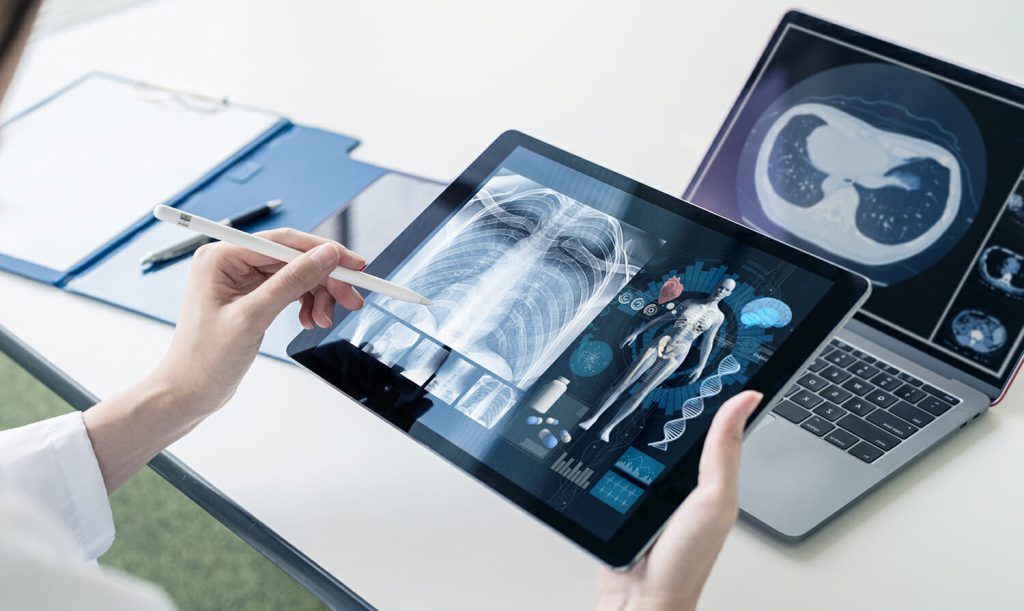
Discover how Electronic Medical Records Software UAE transforms healthcare management with secure patient records, streamlined clinical workflows, improved efficiency, and advanced digital healthcare solutions.

The healthcare industry in the United Arab Emirates is undergoing significant digital transformation. This shift is driven by technological innovation, evolving regulatory frameworks, and rising expectations for efficient, coordinated patient care. Electronic Medical Records Software UAE has become a core component of modern healthcare infrastructure. It helps medical institutions organise patient information, streamline clinical workflows, and strengthen operational efficiency.
Hospitals, clinics, diagnostic centres, and healthcare groups increasingly need reliable digital solutions to manage patient records and coordinate services. Electronic Medical Records (EMR) software replaces fragmented paper-based documentation with structured digital systems. These systems allow authorised healthcare professionals to access relevant patient information efficiently and securely.
As the UAE continues to develop its digital healthcare ecosystem, selecting suitable EMR software is an important decision. Organisations look for solutions that support sustainable growth, improved service delivery, and effective information management while meeting local regulatory and operational requirements.
What Is Electronic Medical Records Software?
Electronic Medical Records software is a digital healthcare solution designed to create, maintain, organise, and retrieve patient medical information within healthcare facilities. Unlike traditional paper-based documentation, EMR systems provide structured electronic records that support clinical documentation, treatment monitoring, and healthcare administration.
A comprehensive EMR system typically includes several core capabilities. These may cover patient registration and demographic information, medical histories and consultation records, diagnosis and treatment documentation, prescription and medication management, laboratory reports and diagnostic results, appointment scheduling and patient follow-ups, clinical documentation and reporting, and role-based access with record security.
These features help healthcare professionals maintain accurate medical information while improving communication between departments and reducing the risks associated with incomplete or inaccessible paper files. The exact functionality available depends on the specific software and how it is configured for the organisation.
Why Electronic Medical Records Software Is Important in the UAE
Healthcare facilities across Dubai, Abu Dhabi, Sharjah, and other emirates operate in an increasingly connected medical environment. Digital records help organisations respond to growing patient expectations while supporting healthcare information management requirements. Electronic Medical Records Software UAE delivers several practical operational advantages.
Improved patient information management allows authorised healthcare professionals to access organised patient histories, previous consultations, and relevant medical documentation through secure digital systems. This reduces the time spent searching for paper files and supports more informed clinical interactions.
Enhanced healthcare efficiency comes from digital documentation that reduces repetitive administrative tasks. Medical teams can better coordinate patient appointments, consultations, and follow-up activities with clearer visibility across the facility.
Better clinical coordination results from structured medical records that improve information availability between authorised professionals. This supports continuity of care and more consistent clinical decision-making when patients move between departments or providers within the same organisation.
Stronger data governance is achieved through appropriate access controls, authentication procedures, and audit records. These controls help healthcare organisations protect sensitive medical information and maintain accountability for who accesses or updates records.
Together, these advantages contribute to more organised operations and a higher standard of information reliability across the facility.
Essential Features of EMR Software for UAE Healthcare Facilities
Selecting effective EMR software requires careful evaluation of clinical functionality, operational requirements, integration capabilities, and information security. Healthcare organisations should prioritise the following features when assessing platforms.
Centralised patient records provide organised digital profiles containing relevant medical and administrative information in one accessible location. Appointment management tools coordinate consultations, doctor availability, and patient visits, helping reduce scheduling conflicts and no-shows. Clinical documentation supports structured consultation notes, diagnoses, and treatment information that can be reviewed consistently over time.
Prescription management enables digital medication documentation and prescription workflows where the system supports them. Laboratory integration allows connectivity with laboratory information systems for more efficient exchange of diagnostic results. Healthcare billing integration links clinical activity with financial processes to improve administrative coordination and reduce discrepancies.
Access control through permission-based settings restricts sensitive information to authorised personnel only. Operational reporting and dashboards offer insights into appointments, workloads, and administrative performance, supporting better resource planning.
The availability of individual capabilities depends on the selected software and its specific implementation scope. Organisations should map their current workflows against these features to identify the best functional fit.
Electronic Medical Records Software and UAE Healthcare Regulations
Healthcare information management in the UAE operates within established regulatory frameworks designed to protect patient confidentiality and improve healthcare data exchange. Federal Law No. 2 of 2019 concerning the use of information and communication technology in health fields establishes important requirements for healthcare information security, confidentiality, and authorised access. The law applies to ICT use in health fields across the UAE, including free zones, and emphasises the protection of health data from unauthorised access, alteration, or destruction while ensuring availability to authorised parties.
Healthcare organisations must also consider relevant health information exchange initiatives. NABIDH is Dubai’s health information exchange platform, supporting medical information exchange between connected healthcare providers licensed by the Dubai Health Authority. Malaffi is Abu Dhabi’s health information exchange platform, enabling connected organisations under the Department of Health – Abu Dhabi to access relevant patient information. Riayati is the UAE’s National Unified Medical Record initiative led by the Ministry of Health and Prevention, supporting integrated healthcare information exchange, particularly for facilities in the Northern Emirates and at the national level. These platforms form part of the UAE’s connected healthcare infrastructure and have been progressively integrated to support continuity of care across emirates.
Healthcare facilities should verify applicable regulatory requirements, interoperability standards, data protection obligations, and any necessary integration approvals before implementing an EMR platform. Requirements can vary by licensing authority and facility type, so direct confirmation with the relevant health authority is essential.
Benefits of Cloud-Based Electronic Medical Records Software
Cloud-based EMR solutions can provide flexible technology infrastructure for healthcare organisations managing expanding operations or multiple locations. Depending on deployment architecture and compliance requirements, cloud-based systems may offer several practical benefits.
These include centralised access to authorised patient information from approved devices and locations, improved coordination between multiple healthcare sites, and scalable infrastructure that can grow with the organisation. Organisations may also experience reduced dependence on extensive local hardware maintenance, structured backup and disaster recovery capabilities, and more efficient software updates managed by the provider.
However, healthcare organisations must carefully evaluate hosting locations, cybersecurity controls, data residency obligations, and regulatory requirements before selecting a cloud deployment model. A carefully designed technology infrastructure helps protect sensitive information while supporting long-term healthcare operations. On-premise or hybrid options may still be preferred in certain cases depending on organisational policy and compliance needs.
How EMR Software Improves Patient Experience
Patient experience remains an important consideration for healthcare organisations seeking to improve service quality. An effective EMR system can support faster registration processes, organised appointment scheduling, and more efficient access to medical information during consultations.
Healthcare professionals can review relevant patient histories without repeatedly requesting the same details, which helps streamline consultations and reduces frustration for patients. Digital workflows also support more coordinated follow-up activities, reducing administrative delays and improving communication between healthcare teams.
When combined with well-designed clinical processes and trained staff, these improvements contribute to a more organised and patient-focused healthcare environment. Patients benefit from clearer communication, fewer repeated questions, and a greater sense that their care is continuous and well-documented.
Choosing the Right Electronic Medical Records Software in the UAE
Healthcare organisations should evaluate software based on their specific operational requirements, clinical workflows, regulatory obligations, and future expansion plans. Important selection criteria include compatibility with existing healthcare workflows, ease of use for medical and administrative staff, robust patient information security and access permissions, and the ability to integrate with laboratory, billing, and other systems.
Additional factors to consider are scalability across departments and locations, data migration and implementation support, reporting and administrative automation capabilities, and demonstrated alignment with applicable UAE healthcare regulations. Organisations should also assess the vendor’s experience in the UAE market, quality of technical support, and the system’s flexibility to adapt to evolving needs.
Selecting the right platform establishes a solid foundation for efficient digital healthcare management. A structured evaluation process that includes demonstrations, reference checks, and a clear understanding of total cost of ownership helps reduce implementation risks.
X-OPP Med: Connected Healthcare Management Solutions
Healthcare organisations often require more than standalone patient documentation software. Effective operations depend on connecting patient administration, appointments, clinical workflows, billing, and management reporting within a coherent system.
X-OPP Med is designed to support healthcare administration through configurable workflows, structured patient profiles, appointment coordination, billing visibility, and operational reporting. Its connected software ecosystem can also support related functions such as clinical costing, finance, workforce administration, and business intelligence where required.
The extent of electronic clinical documentation, healthcare system integrations, and specific regulatory compliance requirements is determined through a dedicated workflow and compliance review with the organisation. This approach helps healthcare providers align digital systems with their actual operational needs and implementation objectives rather than adopting a one-size-fits-all solution.
Future of Electronic Medical Records Software in the UAE
The future of healthcare technology in the UAE increasingly focuses on interoperability, intelligent automation, predictive analytics, and more connected patient experiences. Artificial intelligence may assist with administrative documentation, workflow prioritisation, and operational reporting, while healthcare professionals retain full responsibility for clinical decisions.
Interoperable systems can further improve authorised healthcare information exchange between providers, supporting stronger continuity of care across facilities and emirates. As digital healthcare infrastructure continues to develop, organisations that invest in secure, scalable, and adaptable technology will be better positioned to respond to changing regulatory expectations and operational demands.
Continuous improvement in data quality, staff training, and system governance will remain essential for realising the full benefits of digital records.
Frequently Asked Questions
1. What is Electronic Medical Records Software UAE?
Electronic Medical Records software is a digital system used to organise, store, and manage patient medical information within healthcare facilities operating in the UAE.
2. What are the benefits of EMR software for clinics?
EMR software improves record accessibility, reduces reliance on manual documentation, and supports more efficient clinical workflows and patient administration processes.
3. Is EMR software mandatory for UAE healthcare facilities?
Requirements depend on the relevant healthcare authority and the category of facility. Applicable EMR and health information exchange obligations must be verified directly with the licensing authority.
4. Can EMR software integrate with hospital management systems?
Yes. Compatible EMR platforms can integrate with hospital management, laboratory, appointment, and billing systems through supported interfaces, subject to technical and compliance requirements.
5. How does EMR software improve healthcare data security?
EMR systems can use access permissions, authentication mechanisms, encryption, and audit trails to help safeguard confidential patient information and maintain accountability.
Conclusion
Electronic Medical Records Software UAE plays a vital role in modernising healthcare information management, strengthening operational efficiency, and supporting connected medical services. Healthcare organisations that adopt suitable digital solutions can improve patient administration, streamline internal processes, and establish more organised healthcare operations.
X-OPP, through its healthcare-focused X-OPP Med solution, offers configurable software for patient administration, appointment management, billing coordination, and operational reporting. Healthcare providers can explore its capabilities and assess the clinical documentation and integration requirements needed for their specific facilities through a structured review process.
Turn lead response into a system.
Automatically route new leads, prioritize follow-ups and keep your sales team accountable without adding another layer of manual work.