
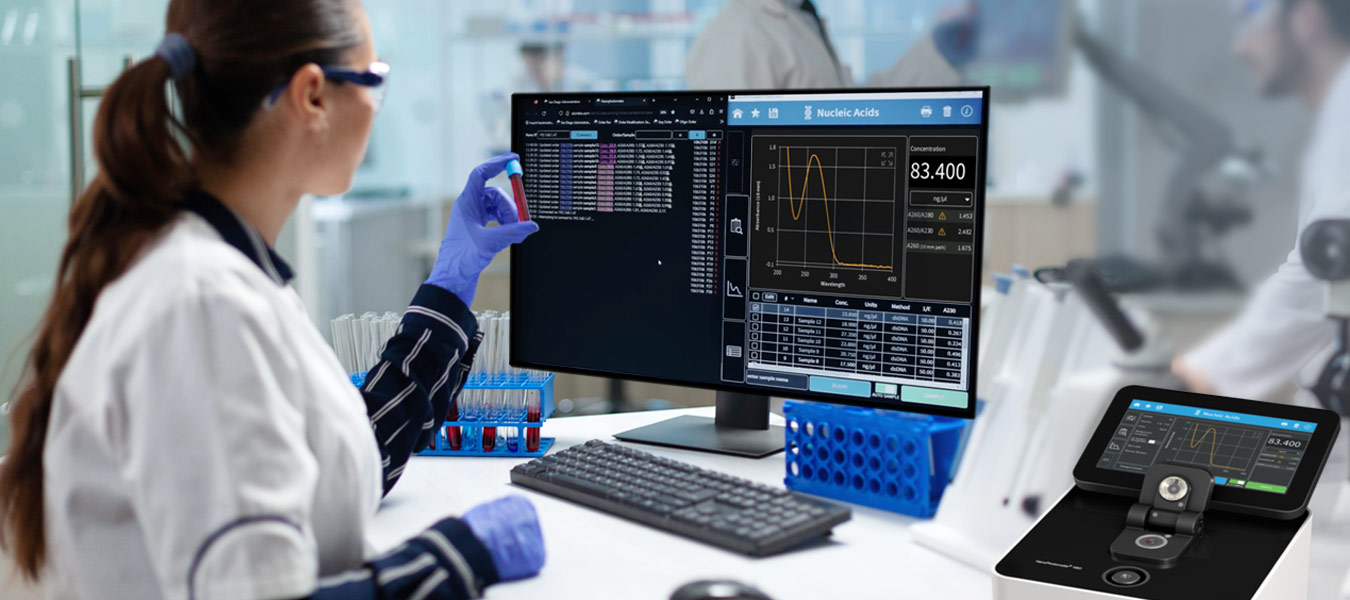
Laboratory Management Software in UAE helps healthcare, diagnostic, and research laboratories improve operational efficiency through digital sample tracking, workflow automation, inventory management, and centralised reporting. Explore its essential features, benefits, and applications.

Laboratories handle critical information, complex testing procedures, and large volumes of samples every day. Maintaining accuracy, improving productivity, and ensuring consistent laboratory operations require an organised management system. Laboratory Management Software in UAE helps laboratories digitise workflows, manage records, monitor testing activities, and improve operational efficiency.
Whether operating a diagnostic centre, healthcare laboratory, research facility, or industrial testing organisation, laboratory management solutions provide a structured approach to daily operations. By replacing fragmented manual processes with centralised digital workflows, laboratories can strengthen communication, improve data accessibility, and support informed decision-making.
What Is Laboratory Management Software?
Laboratory Management Software is a digital solution designed to manage laboratory processes, administrative activities, and operational information through a unified system.
It allows laboratory professionals to organise sample records, monitor testing procedures, maintain equipment information, and manage reporting activities more efficiently.
Depending on the application, it may incorporate Laboratory Information Management System (LIMS) functionality or integrate with other healthcare and enterprise management platforms.
Common functions include:
- Laboratory sample registration and tracking
- Test scheduling and workflow management
- Digital test result documentation
- Laboratory inventory monitoring
- Staff assignments and task coordination
- Equipment and maintenance records
- Quality control documentation
- Laboratory performance reporting
These capabilities help organisations reduce administrative complexity and establish consistent operational procedures.
Why Laboratories Need Modern Management Software
Laboratory environments demand precise coordination between technicians, administrators, supervisors, and healthcare professionals.
Traditional processes involving paper records and disconnected spreadsheets can create unnecessary delays and information management challenges.
Modern Laboratory Management Software helps organisations overcome these limitations by improving workflow visibility and information consistency.
Centralised Laboratory Information
A centralised database allows authorised employees to access relevant laboratory records without repeatedly transferring information between departments.
Reduced Administrative Work
Digital workflows simplify routine activities, helping employees spend less time completing repetitive documentation.
Improved Operational Coordination
Laboratory managers can monitor pending activities, assign responsibilities, and identify workflow delays.
Better Information Management
Structured digital records improve accessibility, organisation, and traceability while reducing dependence on physical documentation.
Essential Features of Laboratory Management Software
Choosing suitable laboratory software requires understanding the capabilities that support daily operational requirements.
1. Laboratory Sample Management
Sample management is a fundamental component of laboratory operations.
Digital tracking helps laboratories organise information throughout the sample lifecycle, from initial registration to final reporting.
Important capabilities include:
- Unique sample identification
- Sample collection records
- Processing status updates
- Sample location information
- Testing history documentation
- Sample traceability records
These functions support accurate identification and clearer monitoring of laboratory activities.
2. Laboratory Workflow Automation
Workflow automation helps laboratories standardise administrative procedures and improve task coordination.
Automated processes can support test assignments, approval workflows, status updates, and internal notifications.
This allows laboratory teams to follow established procedures while reducing unnecessary manual intervention.
3. Digital Laboratory Reporting
Laboratory reporting software helps professionals record, review, approve, and distribute test information through structured digital processes.
Customisable report formats and controlled approval procedures can improve consistency across laboratory documentation.
Effective reporting systems also help authorised professionals retrieve historical records when required.
4. Laboratory Inventory Management
Laboratories depend on reagents, chemicals, consumables, instruments, and other operational resources.
Inventory management tools help maintain visibility over stock movements and material availability.
Essential functions may include:
- Reagent and consumable monitoring
- Inventory quantity tracking
- Expiry date documentation
- Supplier record management
- Equipment inventory records
- Stock replenishment notifications
Organised inventory management supports resource planning and reduces avoidable interruptions.
5. Laboratory Data Management
Laboratories generate significant amounts of information through testing, administration, and reporting.
Centralised data management improves record organisation and makes relevant information accessible to authorised personnel.
User permissions, audit trails, and appropriate backup procedures help strengthen information governance.
Key Benefits of Laboratory Management Software
Implementing Laboratory Management Software can improve several areas of laboratory administration.
Increased Productivity
Automated administrative workflows reduce repetitive tasks and help laboratory professionals concentrate on essential responsibilities.
Improved Sample Visibility
Digital tracking provides clearer information about sample movement, testing progress, and pending activities.
Better Team Collaboration
Connected workflows improve coordination between laboratory departments, administrative personnel, and management teams.
Consistent Documentation
Standardised digital records help maintain organised information and support established operational procedures.
Enhanced Management Reporting
Performance dashboards help managers understand laboratory workloads, processing activity, and resource utilisation.
Operational Scalability
Configurable laboratory software can support growing sample volumes, additional users, and expanding organisational requirements.
Industries That Benefit From Laboratory Management Software
Laboratory management solutions serve organisations across multiple industries.
Healthcare and Diagnostic Laboratories
Medical laboratories use digital systems to manage patient-related information, diagnostic samples, testing processes, and reporting activities.
Pharmaceutical Laboratories
Pharmaceutical organisations require structured testing documentation, quality control workflows, and traceable laboratory records.
Research and Development Laboratories
Research facilities benefit from organised sample information, experiment documentation, and collaboration between research teams.
Food Testing Laboratories
Food testing organisations use laboratory management systems to coordinate sample analysis, inspection records, and quality documentation.
Environmental Testing Laboratories
Environmental laboratories can manage water, soil, and air testing information through structured analytical workflows.
Each industry requires software configurations aligned with its operational procedures and applicable standards.
How Laboratory Management Software Supports Quality Control
Quality control is essential for laboratories that must maintain consistent procedures and dependable documentation.
Digital laboratory systems help organisations establish traceable workflows, document approvals, and monitor procedural compliance.
Important quality management capabilities include:
- Standard operating procedure documentation
- Quality control result recording
- Controlled review and approval workflows
- Equipment calibration documentation
- User activity tracking
- Audit history and record retrieval
These capabilities support quality management programmes, although software implementation alone does not establish regulatory compliance or laboratory accreditation.
How to Choose the Best Laboratory Management Software
Selecting the right software requires evaluating current laboratory operations alongside future organisational requirements.
Laboratory managers should consider:
- Compatibility with existing testing workflows
- Sample and test management capabilities
- Integration with laboratory instruments
- Role-based access and data security
- Customisable reports and dashboards
- Inventory and equipment management
- Data migration and backup requirements
- Implementation support and staff training
Organisations should also evaluate system validation requirements and applicable healthcare or laboratory data protection regulations.
A carefully planned implementation helps ensure the selected platform supports everyday laboratory activities.
The Future of Digital Laboratory Management
Laboratory technology continues to evolve through connected systems, automation, cloud infrastructure, and advanced data analytics.
Modern solutions increasingly focus on reducing administrative complexity while improving information accessibility.
Artificial intelligence may also support operational forecasting, workload analysis, and anomaly identification when systems are appropriately configured and validated.
As laboratory requirements become more complex, adaptable digital platforms can help organisations improve coordination and prepare for future operational demands.
Frequently Asked Questions (FAQs)
1. What is Laboratory Management Software?
Laboratory Management Software is a digital system that helps laboratories organise samples, testing workflows, records, reporting, and administrative operations.
2. How does Laboratory Management Software improve efficiency?
It simplifies repetitive processes, improves information accessibility, supports sample tracking, and strengthens coordination between laboratory departments.
3. What is the difference between LIMS and Laboratory Management Software?
LIMS primarily manages laboratory samples, testing data, and workflows, while broader laboratory software may also cover administration, inventory, and business operations.
4. Can Laboratory Management Software integrate with other systems?
Yes. Depending on compatibility, laboratory software can integrate with healthcare platforms, laboratory instruments, accounting systems, and enterprise applications.
5. Is Laboratory Management Software suitable for small laboratories?
Yes. Small laboratories can use appropriately configured systems to organise records, manage samples, improve reporting, and support operational growth.
Conclusion
Laboratory Management Software in UAE is an essential digital solution for organisations seeking structured workflows, efficient data management, and better operational coordination.
From sample tracking and inventory management to digital reporting and performance monitoring, laboratory systems support a more organised working environment.
X-OPP offers connected business and healthcare management solutions designed to support administrative processes, operational coordination, and management visibility. Laboratories exploring digital transformation can assess how appropriate healthcare software, workflow configuration, and integrations can address their specific operational requirements.
Turn lead response into a system.
Automatically route new leads, prioritize follow-ups and keep your sales team accountable without adding another layer of manual work.