
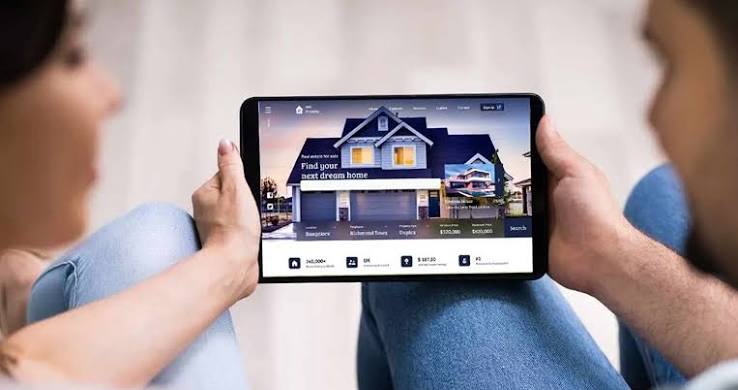
Discover how Real Estate Property Management Software helps property managers streamline operations, organize tenant records, manage leases, track rental collections, and improve efficiency with X-OPP.

The real estate industry continues to evolve rapidly as digital tools reshape how properties are managed, leased, and maintained. Efficient property management has become essential for long-term business success. Managing multiple properties, tenants, lease agreements, maintenance requests, and financial records through manual processes or disconnected systems often creates unnecessary complications, delays, and inconsistencies. Real Estate Property Management Software addresses these challenges by simplifying daily operations and improving overall productivity.
Modern real estate businesses need intelligent systems that centralize information, automate repetitive tasks, and give managers clearer control over daily activities. Whether an organization oversees residential apartments, commercial buildings, or large mixed-use portfolios, digital property management solutions help maintain accuracy, transparency, and operational efficiency. X-OPP provides connected business software solutions designed to support real estate companies, property managers, and landlords through structured workflows, centralized information, and improved operational visibility.
What Is Real Estate Property Management Software?
Real Estate Property Management Software is a digital platform built to streamline property-related activities through a single, organized system. It allows property managers to store and update essential information, track property performance, maintain tenant records, and coordinate operational responsibilities without relying on scattered spreadsheets or multiple disconnected applications.
Instead of juggling separate tools for different tasks, businesses use a dedicated property management system to keep information consistent and accessible. The software typically supports core activities such as:
- Property and unit information management
- Tenant and landlord record management
- Lease agreement tracking and renewals
- Rental collection monitoring
- Maintenance request coordination
- Property occupancy and vacancy tracking
- Financial reporting and operational analysis
By linking these activities in one place, the software helps organizations create more consistent and reliable business processes. Teams spend less time searching for information and more time making informed decisions about their portfolios.
Why Real Estate Businesses Need Property Management Software
Real estate organizations handle large volumes of operational data every day. As property portfolios grow, the volume of records, communications, and responsibilities increases, making manual methods harder to sustain. Traditional approaches that depend on paper files, email threads, and disconnected spreadsheets often lead to duplicated records, delayed updates, and inefficient workflows.
Implementing real estate property management software helps businesses establish structured operations and improve communication across teams and departments. The benefits become especially clear in three key areas.
Improved Operational Efficiency
Property management software reduces repetitive administrative work by organizing information in one accessible environment. Staff can retrieve property records, monitor ongoing activities, and manage daily responsibilities without switching between multiple systems or searching through outdated files. This centralized approach shortens response times and allows teams to focus on higher-value tasks such as tenant relations and portfolio growth.
Better Data Accuracy
When information lives in a single system, inconsistencies between property, tenant, and lease records decrease. Authorized team members work from the same updated data, which supports more accurate operational decisions. Clear audit trails and controlled access further reduce the risk of errors that can arise when multiple people update separate spreadsheets.
Enhanced Property Visibility
Property managers gain a clear view of occupancy rates, lease statuses, collection activity, and maintenance needs across their entire portfolio. This visibility helps them identify priorities quickly, allocate resources more effectively, and respond to emerging issues before they escalate. Better visibility also supports more informed planning for future acquisitions or renovations.
Essential Features of Real Estate Property Management Software
Selecting an effective platform requires understanding the features that support day-to-day operations. The most useful systems combine several core capabilities that work together.
Property and Unit Management
Centralized property management allows businesses to maintain structured records for both residential and commercial assets. Key details typically include location, ownership information, unit categories, occupancy status, and related lease records. With this structure, property managers can:
- Keep organized property inventories
- Track occupied and vacant units in real time
- Access property information quickly when needed
- Improve coordination between teams
- Scale operations as portfolios grow
A well-organized inventory reduces the time spent locating basic information and supports smoother handovers between staff members.
Tenant and Lease Management
Managing tenant information and lease agreements remains one of the most important responsibilities for any property management company. A digital tenant management system stores tenant profiles, tracks lease start and end dates, and organizes renewal activities. Automated reminders and structured workflows help reduce the chance of missed deadlines and support clearer communication with tenants throughout the lease lifecycle.
Rental Collection Management
Monitoring rental collections is essential for maintaining financial visibility. Property management software organizes collection records, highlights outstanding amounts, and links payment information to the corresponding lease agreements. This connection helps property managers maintain clearer financial records and identify follow-up actions in a timely manner.
Maintenance and Service Coordination
Maintenance activities have a direct impact on property condition and tenant satisfaction. A structured maintenance management system lets property managers log service requests, assign responsibilities, track progress, and keep complete activity histories. Organized workflows improve accountability and help teams respond more consistently to both routine and urgent requests.
Reporting and Business Analytics
Accurate reporting gives management teams the information they need to evaluate performance. Useful reports commonly cover:
- Property occupancy and vacancy trends
- Upcoming lease renewals
- Rental collection status
- Outstanding operational tasks
- Maintenance request progress
- Overall portfolio performance
These insights support better decision-making and help organizations refine their management strategies over time.
Benefits of Cloud-Based Property Management Software
Cloud-based property management systems offer greater flexibility for organizations that manage properties across multiple locations. Authorized employees can access information and coordinate activities from different sites without depending on a single office computer, provided appropriate access permissions and internet connectivity are in place.
Key advantages include centralized information storage, improved collaboration between teams, flexible access for authorized users, and easier coordination across departments. Cloud platforms also support business expansion by making it simpler to add new properties, users, and workflows within the same structured environment.
Organizations should still evaluate data protection measures, access controls, backup arrangements, and implementation requirements carefully when choosing a platform. These considerations help ensure that the system remains secure and reliable as operations grow.
How Automation Improves Real Estate Property Management
Automation is changing property management by reducing the volume of routine administrative work. Rather than manually tracking every deadline or task, businesses can set up workflows that organize responsibilities and surface activities that need attention.
Common automation opportunities include:
- Lease expiry notifications
- Rental collection follow-up reminders
- Maintenance task assignments
- Approval workflows
- Operational reporting
- Task and deadline monitoring
When routine processes run with less manual intervention, employees can devote more time to tenant relationships, property performance analysis, and business development. Automation does not replace human judgment; it simply removes repetitive steps so teams can focus on higher-value work.
Why Choose X-OPP for Real Estate Property Management?
X-OPP offers a connected software ecosystem designed to help real estate organizations improve coordination, streamline workflows, and manage business information effectively. Its dedicated X-OPP Prop solution focuses on core property operations, including leases, tenants, collections, and maintenance. Complementary products support real estate CRM, property inventory, financial operations, task management, and business reporting, creating a more unified working environment.
Key Advantages of X-OPP
- Centralized Property Information: Organize property, tenant, and operational records in a structured environment so teams work from consistent data.
- Lease Management: Support lease administration, renewals, and related activities with clearer tracking and reminders.
- Collection Monitoring: Maintain visibility over rental collections and payment-related responsibilities.
- Maintenance Coordination: Organize property maintenance activities and operational follow-ups in one place.
- Connected Business Operations: Link property-related workflows with compatible finance, reporting, and task management solutions.
- Configurable Workflows: Adapt processes, permissions, and approvals to match organizational requirements.
X-OPP follows a structured implementation approach that includes process discovery, configuration, testing, and user training. This method helps businesses introduce technology that aligns with their actual operations rather than forcing teams to adapt to rigid, one-size-fits-all processes.
The Future of Real Estate Property Management Software
The future of property management will continue to emphasize connected platforms, intelligent automation, and data-driven decision-making. Emerging capabilities, including artificial intelligence, can support administrative productivity by identifying operational exceptions, summarizing information, and highlighting activities that require attention.
Businesses that adopt scalable digital platforms strengthen collaboration, maintain more consistent information, and respond more effectively to changing operational requirements. For growing real estate organizations, investing in structured technology remains an important step toward building more efficient and sustainable operations over the long term.
Frequently Asked Questions
What is Real Estate Property Management Software?
Real Estate Property Management Software is a digital platform that helps businesses organize property records, tenant information, lease agreements, rental collections, maintenance activities, and operational reporting in one system.
How does property management software improve efficiency?
It centralizes important information, reduces repetitive administrative tasks, improves communication between team members, and helps employees manage responsibilities through structured workflows.
Is property management software suitable for commercial properties?
Yes. Property management software can support residential, commercial, and mixed-use properties, depending on the platform’s capabilities and how it is configured for the organization.
Can property management software help with rental collections?
Yes. It can help businesses monitor collection records, identify outstanding payments, and organize follow-up activities related to rental payments.
Why should real estate businesses choose X-OPP?
X-OPP offers connected software solutions that help property management organizations coordinate leases, tenants, collections, maintenance, financial information, and related business activities within a structured environment.
Conclusion
Real Estate Property Management Software has become essential technology for organizations seeking improved efficiency, accurate information, and stronger operational control. By centralizing property records, streamlining lease administration, monitoring collections, and coordinating maintenance activities, businesses can establish more reliable management processes.
X-OPP supports this digital transformation through connected property management and business software solutions designed for modern real estate operations. Organizations that invest in the right platform position themselves to manage growth more effectively and deliver better outcomes for both tenants and stakeholders.
Turn lead response into a system.
Automatically route new leads, prioritize follow-ups and keep your sales team accountable without adding another layer of manual work.